
05/14/2026
Finding car insurance in Brownsville, Texas, is not just about comparing prices. In the Rio Grande Valley, insurance decisions are shaped by local driving conditions, border proximity, weather exposure, and individual risk profiles.
Instead of treating insurance as a one-size-fits-all product, it helps to understand the five core factors that shape both cost and coverage in Brownsville. Once these are clear, everything from policy selection to premium pricing becomes easier to navigate.
Understanding the Car Insurance Landscape in Brownsville
Before choosing a policy, it helps to understand why rates and requirements in Brownsville look the way they do.
The RGV has a distinct insurance profile driven by traffic density, weather exposure, and driver risk patterns. Nearby McAllen recorded 2,724 vehicle accidents in 2023, reflecting how frequently collisions occur in the region.
At the same time, about 15% of Texas drivers are uninsured, which increases costs for everyone else on the road. When uninsured drivers are involved in accidents, claims often fall back onto insured motorists, pushing premiums higher.
Severe weather also plays a role. Hailstorms, flooding, and sudden heavy rainfall are common across South Texas, adding pressure to comprehensive coverage claims.
The 5 Key Factors That Shape Car Insurance in Brownsville, TX
 Before choosing a policy, it is important to understand the five main factors that influence coverage options, pricing, and long-term protection in the Rio Grande Valley.
1. Vehicle value and age
Your vehicle’s age and market value determine how much coverage makes sense.
- Newer vehicles typically require full coverage
- Older vehicles may not justify comprehensive and collision if premiums exceed value
- A common benchmark is whether annual premiums exceed about 10% of the car’s worth
This factor often determines whether drivers choose basic liability or full protection.
2. Driving history
Your personal driving record plays a direct role in how insurers assess risk.
- Accidents increase premiums
- Traffic violations raise perceived risk
- Clean driving records often qualify for better rates and discounts
Insurance companies use this history to predict future claims risk, making it one of the most influential pricing factors.
3. Local risk conditions in Brownsville and the RGV
Location matters significantly in South Texas.
Key regional risks include:
- Border proximity and cross-traffic patterns
- Higher vehicle theft exposure in border regions
- Urban traffic density affects accident frequency
- Severe weather, including hail and flooding
- Regional accident trends, including high incident rates in nearby cities
With over 84% of Texans living in urban areas, congestion and claim severity remain consistent challenges.
4. Budget and deductible preference
Insurance is always a balance between monthly cost and financial protection.
- Higher deductibles, lower monthly premiums
- Lower deductibles reduce out-of-pocket costs during claims
- Full coverage in the RGV averages around $180 per month
Your deductible choice directly affects how affordable your policy feels day-to-day versus how much you pay during an accident.
5. Coverage level selection
Texas law sets minimum liability requirements for all drivers:
| Coverage Type | Minimum Requirement |
| Bodily Injury | $30,000 per person / $60,000 per accident |
| Property Damage | $25,000 |
This is known as 30/60/25 coverage.
- $30,000 per person for injuries
- $60,000 per accident
- $25,000 for property damage
On paper, it meets legal requirements. In practice, it may fall short during serious accidents, especially when medical bills or vehicle repairs exceed those limits.
Additional coverage options include:
- Collision coverage for accident damage
- Comprehensive coverage for theft, weather, and non-collision risks
- Uninsured motorist protection for hit-and-run or uninsured drivers
With around 15% of Texas drivers uninsured, additional protection becomes especially relevant in Brownsville.
Why These Factors Matter When Choosing a Policy
 These five factors work together to determine both your cost and your level of protection. No single element stands alone.
For example:
- A low-value vehicle may reduce the need for full coverage
- A poor driving record may increase premiums regardless of vehicle type
- High-risk local conditions may justify stronger protection
- Budget constraints influence deductible selection
- Coverage choices determine how well you are protected in real-world accidents
Understanding how these factors interact helps prevent underinsurance or unnecessary spending.
What Makes Up a Car Insurance Policy
A policy is not a single product. It is a combination of coverage types. Understanding each one helps avoid gaps that only show up during a claim.
Below is a breakdown of the main coverage types used in Brownsville:
Core Coverage Types Explained
Bodily Injury Liability
Covers medical costs for others if you are at fault in an accident. It may also extend to family members listed on your policy when driving with permission.
Personal Injury Protection (PIP) and Medical Payments
Pays for medical expenses, lost wages, and even funeral costs after an accident, regardless of fault.
This is particularly important in areas where emergency care costs can escalate quickly.
Property Damage Liability
Covers damage to vehicles, fences, buildings, and other property you may hit in an accident.
Collision Coverage
Pays for damage to your own vehicle after an accident, rollover, or impact with another object. Deductibles typically range from $250 to $1,000.
Comprehensive Coverage
Protects against non-collision risks such as theft, vandalism, storms, fire, or animal damage; events that are especially relevant in South Texas.
Uninsured and Underinsured Motorist Coverage
Covers you if the other driver has no insurance or insufficient coverage. With roughly 15% of Texas drivers uninsured, this protection is particularly important in Brownsville.
How to Choose the Right Coverage in Brownsville
Selecting a policy is about balancing cost and exposure.
Start by asking a simple question:
If your vehicle is damaged tomorrow, could you afford to repair or replace it out of pocket?
From there, consider:
- Vehicle age and resale value
- Financial ability to absorb unexpected repair costs
- Driving frequency and location
- Exposure to storms or theft risk
Older vehicles may not justify full coverage if premiums exceed about 10% of the car’s value annually.
Coverage Strategies by Driver Type
Young drivers
Higher risk means higher premiums, but discounts like good student programs and defensive driving courses can help reduce costs.
Families
Should prioritize stronger liability limits and PIP coverage. Many opt for 100/300/50 limits for better protection.
Border commuters
Need coverage that accounts for theft risk, storm exposure, and cross-border travel patterns.
Low-mileage drivers
Usage-based insurance can reduce premiums by tracking real driving behavior, with savings up to 30%.
Comparing Quotes the Right Way
 Insurance pricing is inconsistent between providers, even for identical coverage.
That is why comparing at least three quotes is standard practice.
But price alone is not enough.
When reviewing policies, focus on:
- Coverage limits (not just minimum compliance)
- Deductible levels
- Exclusions in the policy
- Added benefits like roadside assistance or rental coverage
- Claims reputation and customer support
A lower premium can look attractive until it leaves gaps in protection.
Working with an independent agency such as SafeGuard Insurance Agency allows access to multiple carriers in one place, making it easier to compare coverage properly and avoid blind spots in your policy.
Cross-Border Driving and Insurance in the RGV
Living in Brownsville often means crossing into Mexico for work, family, or travel. That creates an important insurance reality many drivers overlook.
U.S. insurance does NOT cover you in Mexico
Even policies that suggest limited international coverage are typically not valid for Mexican legal requirements.
Mexican insurance is also separate
It does not carry over into the United States once you return.
Legal Requirements in Mexico
Drivers entering Mexico must carry at least:
$300,000 in third-party liability insurance.
Without it, drivers risk legal penalties and financial exposure.
Coverage Options for Cross-Border Drivers
Depending on travel frequency, different coverage levels make sense:
- Temporary policies for short trips (day or week coverage)
- Monthly coverage for frequent visitors
- Full cross-border policies for regular commuters
Additional protection to consider:
- Collision coverage for accident repair
- Comprehensive coverage for theft or weather damage
- PIP for medical expenses after incidents
What Influences Cross-Border Insurance Costs
Several factors affect pricing and coverage suitability:
- Vehicle age and value
- Time spent in Mexico
- Driving history
- Destination region
- Whether towing or transport is involved
Cookie-cutter policies rarely account for these variables properly.
Choosing Smarter Coverage in Brownsville
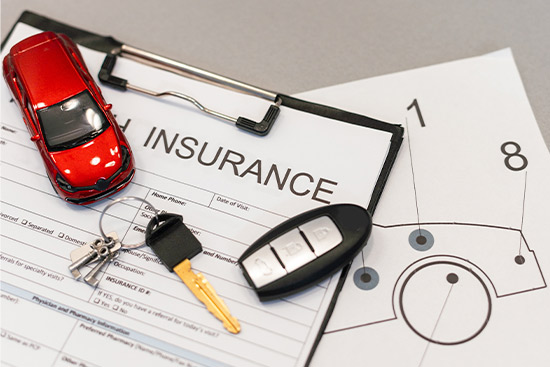 Car insurance in Brownsville is shaped by more than just legal requirements. It reflects border geography, accident trends, weather exposure, and real driving habits across the Rio Grande Valley.
The goal is not simply to meet minimum standards, but to secure coverage that actually holds up when something goes wrong.
Independent agencies like SafeGuard Insurance Agency help simplify that process by matching drivers with policies built around their specific risks, budget, and travel patterns. Whether you drive locally or cross into Mexico regularly, the right structure matters more than the cheapest premium.
If you’re reviewing car insurance in Brownsville, Texas, take the time to compare your options properly, understand what each policy includes, and choose coverage that reflects how you actually drive and not just the minimum required by law.
Speak with SafeGuard Insurance Agency today for a free quote and personalized guidance, and get coverage that fits your needs with confidence.