
Author: CODESM Support

Home Insurance Checkup: 8 Coverage Gaps McAllen Homeowners Miss

A person holding a miniature house beside a laptop with “home insurance” text represents property coverage, financial protection, and risk management for homeowners and investors.

Spring is the perfect time to declutter your home and your insurance policy. Many homeowners searching for home insurance in McAllen, TX focus mainly on price, assuming a standard policy will fully protect them. However, when storms hit, pipes burst, or liability claims arise, gaps in coverage often become painfully clear.

A proper policy checkup can help identify those gaps before they become expensive problems. SafeGuard Insurance Agency helps homeowners across the Rio Grande Valley understand their protection and compare options more effectively.

Below, we break down how McAllen homeowners can review their coverage and the eight most common insurance gaps in the region.

Understanding the Local Home Insurance in McAllen

Homeowners in McAllen and the broader Rio Grande Valley face a unique mix of risks, which directly affects how insurance policies are structured. Local providers emphasize that coverage must reflect regional realities such as storms, flooding risk, and rising rebuild costs.

Common local risk factors include:

  • Severe thunderstorms and hail events
  • Heavy rainfall and occasional tropical systems
  • Extreme heat is impacting roofs, HVAC systems, and plumbing
  • Increasing construction and labor costs

Because of these risks, many policies in the area include:

  • Separate wind and hail deductibles
  • Stricter roof coverage conditions
  • Specific exclusions for certain types of water damage

This is why it’s so important not just to “have a policy,” but to understand how your specific carrier handles risks common to McAllen and the RGV. Local guidance is especially important in McAllen, where independent agents help homeowners compare coverage options and better understand policy differences, making it easier to spot gaps you’d otherwise miss.

8 Coverage Gaps McAllen Homeowners Commonly Miss

New Home Construction In McAllen, Texas

As you review your policy, keep an eye out for these eight problem areas.

1. Wind & Hail Deductibles You Didn’t Expect

Many homeowners don’t realize their policy includes a separate wind and hail deductible, often calculated as a percentage of the home’s insured value.

For example:

  • A 2% deductible on a $300,000 home = $6,000 out of pocket

These structures are common in storm-prone areas like McAllen. Homeowners are encouraged to review deductible terms carefully, especially before storm season.

Check your policy for:

  • A separate wind/hail or named-storm deductible
  • Percentage-based vs. flat deductibles
  • Any exclusions for cosmetic roof damage

2. No Coverage for Flooding from Rising Water

Standard home insurance policies do not cover flood damage from rising water, including:

  • Street flooding entering the home
  • Overflow from heavy rainfall
  • Drainage system overloads

Flood risk is a major concern in the Rio Grande Valley, even outside official flood zones. Homeowners are often advised to consider separate flood insurance for full protection.

Action step:

  • Confirm in writing whether flood is excluded (it almost always is).
  • Ask your agent about a separate flood insurance policy backed by FEMA or a private carrier. The premium is often lower than homeowners expect, especially in lower-risk zones.

3. Sewer, Drain, or Water Backup Issues

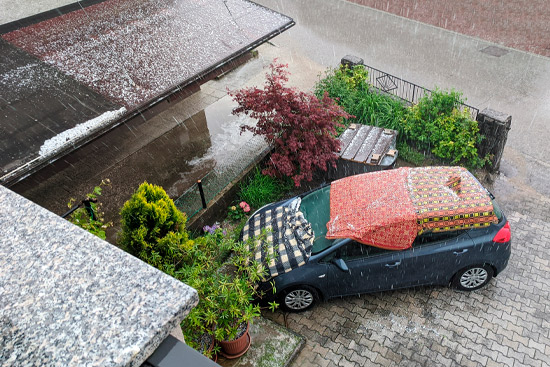
Car covered in blankets during strong hail storm. Car protection against hail during stormy weather

Water damage can also come from inside the home due to:

  • Sewer backups
  • Clogged drains
  • Sump pump failures

These events are frequently excluded unless specifically added as an endorsement. Without it, repair costs for flooring, drywall, and belongings can be high.

Check for:

  • “Water backup and sump overflow” or similar wording
  • Limits of $5,000, $10,000, or more

4. Underinsured Rebuild Costs

One of the most overlooked risks is being underinsured for today’s rebuild costs.

Many policies are based on:

  • Outdated estimates
  • Market value instead of rebuild cost
  • Older construction pricing

Guidance from insurers highlights the importance of reviewing dwelling coverage regularly to reflect inflation and local construction costs.

Review:

  • The “Coverage A – Dwelling” limit: Would that realistically rebuild your home today?
  • Whether your policy includes Replacement Cost or only Actual Cash Value (ACV) on the structure
  • Whether you have an inflation guard feature that increases coverage automatically

5. Roof Age and Damage Limitations

Ripped Shingle on Mansard Roof

Roof coverage is a major concern in hail-prone regions like McAllen. Policies may:

  • Shift older roofs to actual cash value (ACV)
  • Exclude cosmetic hail damage
  • Limit coverage based on roof age

Homeowners are encouraged to check roof-specific restrictions carefully, especially in areas frequently affected by storms.

Look for:

  • Any special roof endorsements or restrictions
  • Whether your roof is covered at replacement cost or actual cash value
  • Age thresholds that change how your roof is covered

6. Insufficient Personal Liability Protection

Liability coverage protects you if someone is injured on your property or if you are legally responsible for damages.

Common risks include:

  • Slip and fall accidents
  • Dog bites
  • Pool-related incidents

Many homeowners still carry low limits that may not fully protect their assets. Insurance guidance suggests reviewing liability levels to ensure adequate protection.

This is especially risky if you:

  • Have a swimming pool or trampoline
  • Own a dog (some breeds may be excluded)
  • Host large gatherings
  • Rent out part of your home, even occasionally

7. Limited Coverage for Valuables and Electronics

Standard policies often include sub-limits for:

  • Jewelry and watches
  • Electronics
  • Collectibles and firearms
  • Business equipment
  • Artwork and musical instruments

For example, expensive items like jewelry may only have limited coverage unless scheduled separately. Homeowners are encouraged to review personal property limits carefully.

Review:

  • The policy’s special limits for categories you own
  • Whether you need scheduled personal property (itemized coverage) for high-value items

8. Limited Additional Living Expense Coverage

Water leaking and flooded on wood floor. Room floor will damage after the water flooded.

If your home becomes uninhabitable, Additional Living Expense (ALE) coverage helps pay for:

  • Temporary housing
  • Meals
  • Increased transport costs

However, many policies limit both the amount and duration of this coverage. After major storms, repair delays can stretch for months, making adequate ALE coverage essential.

Ask your agent:

  • What is my Loss of Use limit (dollar amount or % of dwelling)?
  • How long will it pay (e.g., 12 months, 24 months)?

Why Local Expertise Matters

Home insurance in McAllen is not one-size-fits-all. Policies differ significantly between carriers, especially when it comes to storm, wind, and water risks.

Independent agencies like SafeGuard Insurance Agency help homeowners:

  • Compare multiple insurance providers
  • Understand exclusions and deductibles
  • Adjust coverage for local risks in the RGV
  • Avoid common policy mistakes

Don’t Wait for a Claim to Discover Gaps

Cheerful couple signing a contract reaching agreement with a man realtor or financial advisor sitting at desk on workplace. Insurance agent making a deal in office with clients.

An early hurricane home insurance checkup is one of the simplest ways to protect your financial security. Reviewing your policy now can help ensure you are not exposed to unexpected costs after a storm, fire, or accident.

Whether you live in McAllen, Weslaco, Brownsville, or anywhere in the RGV, local conditions make proper coverage especially important across the region.

Get a Free Home Insurance Policy Review

Don’t wait until a claim exposes gaps in your coverage.

Schedule a free home insurance checkup with SafeGuard Insurance Agency today and let a local expert review your policy, compare carriers, and help you close costly coverage gaps before disaster strikes.

5 Factors That Affect Your Car Insurance Rates in Brownsville

car insurance in Brownsville tx

Finding car insurance in Brownsville, Texas, is not just about comparing prices. In the Rio Grande Valley, insurance decisions are shaped by local driving conditions, border proximity, weather exposure, and individual risk profiles.

Instead of treating insurance as a one-size-fits-all product, it helps to understand the five core factors that shape both cost and coverage in Brownsville. Once these are clear, everything from policy selection to premium pricing becomes easier to navigate.

Understanding the Car Insurance Landscape in Brownsville

Before choosing a policy, it helps to understand why rates and requirements in Brownsville look the way they do.

The RGV has a distinct insurance profile driven by traffic density, weather exposure, and driver risk patterns. Nearby McAllen recorded 2,724 vehicle accidents in 2023, reflecting how frequently collisions occur in the region.

At the same time, about 15% of Texas drivers are uninsured, which increases costs for everyone else on the road. When uninsured drivers are involved in accidents, claims often fall back onto insured motorists, pushing premiums higher.

Severe weather also plays a role. Hailstorms, flooding, and sudden heavy rainfall are common across South Texas, adding pressure to comprehensive coverage claims.

The 5 Key Factors That Shape Car Insurance in Brownsville, TX

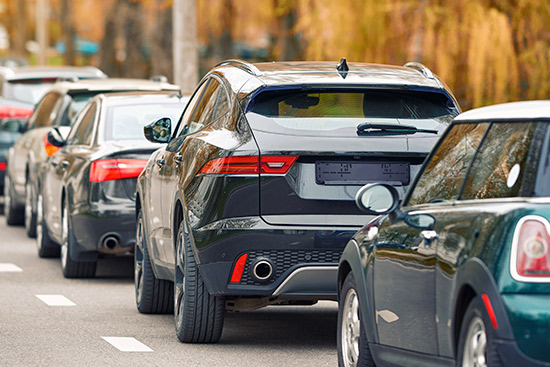
A black electric car drives on an empty highway with greenery and a blue sky in the background.Before choosing a policy, it is important to understand the five main factors that influence coverage options, pricing, and long-term protection in the Rio Grande Valley.
1. Vehicle value and age

Your vehicle’s age and market value determine how much coverage makes sense.

  • Newer vehicles typically require full coverage
  • Older vehicles may not justify comprehensive and collision if premiums exceed value
  • A common benchmark is whether annual premiums exceed about 10% of the car’s worth

This factor often determines whether drivers choose basic liability or full protection.

2. Driving history

Your personal driving record plays a direct role in how insurers assess risk.

  • Accidents increase premiums
  • Traffic violations raise perceived risk
  • Clean driving records often qualify for better rates and discounts

Insurance companies use this history to predict future claims risk, making it one of the most influential pricing factors.

3. Local risk conditions in Brownsville and the RGV

Location matters significantly in South Texas.

Key regional risks include:

  • Border proximity and cross-traffic patterns
  • Higher vehicle theft exposure in border regions
  • Urban traffic density affects accident frequency
  • Severe weather, including hail and flooding
  • Regional accident trends, including high incident rates in nearby cities

With over 84% of Texans living in urban areas, congestion and claim severity remain consistent challenges.

4. Budget and deductible preference

Insurance is always a balance between monthly cost and financial protection.

Your deductible choice directly affects how affordable your policy feels day-to-day versus how much you pay during an accident.

5. Coverage level selection

Texas law sets minimum liability requirements for all drivers:

Coverage Type Minimum Requirement
Bodily Injury $30,000 per person / $60,000 per accident
Property Damage $25,000

This is known as 30/60/25 coverage.

  • $30,000 per person for injuries
  • $60,000 per accident
  • $25,000 for property damage

On paper, it meets legal requirements. In practice, it may fall short during serious accidents, especially when medical bills or vehicle repairs exceed those limits.

Additional coverage options include:

  • Collision coverage for accident damage
  • Comprehensive coverage for theft, weather, and non-collision risks
  • Uninsured motorist protection for hit-and-run or uninsured drivers

With around 15% of Texas drivers uninsured, additional protection becomes especially relevant in Brownsville.

Why These Factors Matter When Choosing a Policy

A row of cars is parked along the side of a street, with autumn trees visible in the background.These five factors work together to determine both your cost and your level of protection. No single element stands alone.

For example:

  • A low-value vehicle may reduce the need for full coverage
  • A poor driving record may increase premiums regardless of vehicle type
  • High-risk local conditions may justify stronger protection
  • Budget constraints influence deductible selection
  • Coverage choices determine how well you are protected in real-world accidents

Understanding how these factors interact helps prevent underinsurance or unnecessary spending.

What Makes Up a Car Insurance Policy

A policy is not a single product. It is a combination of coverage types. Understanding each one helps avoid gaps that only show up during a claim.

Below is a breakdown of the main coverage types used in Brownsville:

Core Coverage Types Explained

Bodily Injury Liability

Covers medical costs for others if you are at fault in an accident. It may also extend to family members listed on your policy when driving with permission.

Personal Injury Protection (PIP) and Medical Payments

Pays for medical expenses, lost wages, and even funeral costs after an accident, regardless of fault.

This is particularly important in areas where emergency care costs can escalate quickly.

Property Damage Liability

Covers damage to vehicles, fences, buildings, and other property you may hit in an accident.

Collision Coverage

Pays for damage to your own vehicle after an accident, rollover, or impact with another object. Deductibles typically range from $250 to $1,000.

Comprehensive Coverage

Protects against non-collision risks such as theft, vandalism, storms, fire, or animal damage; events that are especially relevant in South Texas.

Uninsured and Underinsured Motorist Coverage

Covers you if the other driver has no insurance or insufficient coverage. With roughly 15% of Texas drivers uninsured, this protection is particularly important in Brownsville.

How to Choose the Right Coverage in Brownsville

Selecting a policy is about balancing cost and exposure.

Start by asking a simple question:
If your vehicle is damaged tomorrow, could you afford to repair or replace it out of pocket?

From there, consider:

  • Vehicle age and resale value
  • Financial ability to absorb unexpected repair costs
  • Driving frequency and location
  • Exposure to storms or theft risk

Older vehicles may not justify full coverage if premiums exceed about 10% of the car’s value annually.

Coverage Strategies by Driver Type

Young drivers

Higher risk means higher premiums, but discounts like good student programs and defensive driving courses can help reduce costs.

Families

Should prioritize stronger liability limits and PIP coverage. Many opt for 100/300/50 limits for better protection.

Border commuters

Need coverage that accounts for theft risk, storm exposure, and cross-border travel patterns.

Low-mileage drivers

Usage-based insurance can reduce premiums by tracking real driving behavior, with savings up to 30%.

Comparing Quotes the Right Way

A close-up view of a person working at a modern office desk while using a silver laptop and holding a blank white card or documentInsurance pricing is inconsistent between providers, even for identical coverage.
That is why comparing at least three quotes is standard practice.

But price alone is not enough.

When reviewing policies, focus on:

  • Coverage limits (not just minimum compliance)
  • Deductible levels
  • Exclusions in the policy
  • Added benefits like roadside assistance or rental coverage
  • Claims reputation and customer support

A lower premium can look attractive until it leaves gaps in protection.

Working with an independent agency such as SafeGuard Insurance Agency allows access to multiple carriers in one place, making it easier to compare coverage properly and avoid blind spots in your policy.

Cross-Border Driving and Insurance in the RGV

Living in Brownsville often means crossing into Mexico for work, family, or travel. That creates an important insurance reality many drivers overlook.

U.S. insurance does NOT cover you in Mexico

Even policies that suggest limited international coverage are typically not valid for Mexican legal requirements.

Mexican insurance is also separate

It does not carry over into the United States once you return.

Legal Requirements in Mexico

Drivers entering Mexico must carry at least:
$300,000 in third-party liability insurance.

Without it, drivers risk legal penalties and financial exposure.

Coverage Options for Cross-Border Drivers

Depending on travel frequency, different coverage levels make sense:

  • Temporary policies for short trips (day or week coverage)
  • Monthly coverage for frequent visitors
  • Full cross-border policies for regular commuters

Additional protection to consider:

  • Collision coverage for accident repair
  • Comprehensive coverage for theft or weather damage
  • PIP for medical expenses after incidents

What Influences Cross-Border Insurance Costs

Several factors affect pricing and coverage suitability:

  • Vehicle age and value
  • Time spent in Mexico
  • Driving history
  • Destination region
  • Whether towing or transport is involved

Cookie-cutter policies rarely account for these variables properly.

Choosing Smarter Coverage in Brownsville

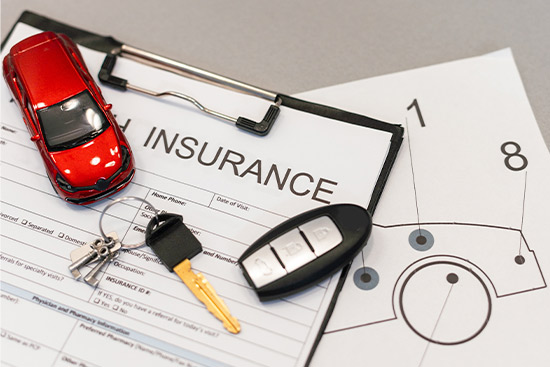
Red toy car with car keys on auto insurance claim form and vehicle damage report diagram representing car insurance and accident claims.Car insurance in Brownsville is shaped by more than just legal requirements. It reflects border geography, accident trends, weather exposure, and real driving habits across the Rio Grande Valley.


The goal is not simply to meet minimum standards, but to secure coverage that actually holds up when something goes wrong.

Independent agencies like SafeGuard Insurance Agency help simplify that process by matching drivers with policies built around their specific risks, budget, and travel patterns. Whether you drive locally or cross into Mexico regularly, the right structure matters more than the cheapest premium.

If you’re reviewing car insurance in Brownsville, Texas, take the time to compare your options properly, understand what each policy includes, and choose coverage that reflects how you actually drive and not just the minimum required by law.

Speak with SafeGuard Insurance Agency today for a free quote and personalized guidance, and get coverage that fits your needs with confidence.

10 Liability Insurance Essentials Every McAllen Small Business Owner Should Know

A woman wearing an apron poses in front of a green and white sign that says

McAllen’s commercial insurance landscape stands apart from other Texas markets due to its strategic location as a major border city. With the Rio Grande Valley handling billions in daily cross-border trade and serving as a crucial gateway between the United States and Mexico, local businesses face unique liability exposures that require specialized insurance solutions.

Running a business in McAllen means staying ready for opportunity, but also for risk. Whether you’re serving customers face-to-face, offering professional advice, or selling products, one unexpected incident can quickly turn into a costly claim.

Liability insurance is what keeps your business steady when something goes wrong, protecting your finances, your reputation, and your ability to keep moving forward.

This guide breaks down what matters most: the key types of liability coverage, how they apply to McAllen businesses, and what’s at stake if your coverage falls short.

Understand McAllen’s unique risk profile

Three people at a table engaged in signing documents about liability insurance tips for small businesses in McAllen.Before choosing coverage, it helps to understand where risks typically show up. Here are some of the most common exposure points for local businesses:



  • Cross-border transactions and contracts
  • High customer foot traffic in retail and service spaces
  • Bilingual environments where miscommunication can lead to disputes
  • Product distribution through international supply chains
  • Seasonal spikes in customers and visitors

Slip-and-fall claims, both covered under general liability insurance, alone average around $45,000 per incident, while reputational claims like defamation can reach $35,000 or more.
That’s not rare, it’s routine risk. And without the right coverage, those costs come directly out of your business.

Not all liability insurance works the same way. Each type protects a different part of your business, and most businesses in McAllen need more than one.

General Liability (CGL): the foundation

This is the foundation. It covers everyday risks tied to your physical operations.

General liability typically protects you from:

  • Customer injuries on your premises
  • Property damage caused by your business
  • Advertising-related claims like copyright issues or defamation

Real-world example:
A customer slips on a wet floor in your store near downtown McAllen. Medical bills and legal costs follow. General liability insurance steps in to cover those expenses.

For most businesses, this isn’t optional. Landlords and clients often require proof of coverage before signing agreements.

Professional Liability (E&O): protect your advice

If your business provides advice, services, or expertise, this coverage is essential.

It protects you when a client claims your work caused them financial harm, even if the mistake was unintentional.

Professional liability covers:

  • Errors in your work
  • Missed deadlines or oversights
  • Claims of negligence or poor advice

Real-world example:
An accountant files incorrect tax information for a client, leading to penalties. Or a consultant’s strategy doesn’t deliver expected results. Professional liability helps cover the financial fallout.

General liability won’t cover these situations. That gap can be expensive.

Product Liability: coverage across the chain

If you sell, distribute, or manufacture products, this coverage protects you when something goes wrong with what you sell. And responsibility doesn’t stop at the manufacturer; retailers and distributors can also be held liable.

Product liability covers:

  • Defective products
  • Products that cause injury
  • Damage caused by items you sell or distribute

Real-world example:
A business importing goods sells a defective product that causes injury. Even if you didn’t manufacture it, you can still be named in a claim.

How coverages work together

Most businesses don’t face just one type of risk, and relying on a single policy often leaves important gaps. In many cases, the right protection comes from combining multiple types of liability coverage based on how your business actually operates.

Before choosing a policy, it helps to step back and match your risks to the right protection.

Here’s a simple breakdown to guide your decisions:

Business Type Primary Risk Recommended Coverage
Retail Store Customer injuries General Liability
Consulting Firm Advice errors Professional Liability
Distributor Defective products Product Liability
Hybrid Business Mixed exposure Combined Coverage


A retail store may start with general liability, but if it also offers advice, services, or sells products, additional coverage becomes necessary. The same applies to many growing businesses in McAllen that expand beyond a single line of work.

Each policy fills a different gap. Relying on just one can leave your business exposed in ways you may not expect.

Real McAllen/RGV scenarios that make it real

Understanding coverage is one thing; seeing how it plays out locally makes it real. These examples reflect everyday situations McAllen businesses face:

  • Retail shop: A customer injury leads to a $45,000 claim, covered by general liability
  • Marketing agency: A campaign error results in financial loss: covered by professional liability
  • Warehouse distributor: A defective product causes injury: covered by product liability
  • IT business selling hardware and services: Needs both professional and product liability

These aren’t extreme cases. They’re common situations that happen without warning.

Choosing the right coverage & limits

Every business is different, but the process of choosing coverage follows a clear path. Before comparing policies, take a closer look at your actual exposure.

Focus on these key factors:

  • The type of work you do
  • How often do you interact with customers
  • Whether you sell or distribute products
  • Contract requirements from landlords or clients
  • Any cross-border operations

Most businesses start with $1 million per occurrence and $2 million aggregate coverage, though higher limits may be necessary depending on your risk level.

Compare policies the smart way & avoid under-insurance

It’s easy to focus on the price of a policy, but that’s where many businesses go wrong. The lowest premium often means less protection, and that gap only shows up when you need to file a claim. Before choosing a policy, take a closer look at what’s included.

Pay attention to:

  • Coverage limits (per claim and overall)
  • What’s excluded from the policy
  • Deductibles and out-of-pocket costs
  • Whether legal defense costs are included

Bundling policies, such as combining liability with property insurance, can also reduce overall costs while improving coverage.

The Real Cost of Being Under insured

Underinsurance doesn’t save money. It shifts risk onto your business. When coverage falls short, you’re responsible for the difference.

Here’s what that can look like:

Scenario Total Cost Covered Out-of-Pocket
Slip-and-fall claim $45,000 $25,000 $20,000
Defamation claim $35,000 Limited Remaining balance

And that doesn’t always include legal fees.

One claim can drain cash flow, stall operations, or force difficult decisions about the future of your business.

Why Regular Policy Reviews Matter

Guide to liability insurance for small businesses in McAllen, offering essential tips for effective coverage.

Your business doesn’t stay the same, and your commercial insurance coverage shouldn’t either. As you grow, your risks change. New services, more staff, higher revenue, or additional locations all increase exposure.

A quick annual review helps you:

  • Adjust coverage limits
  • Add protection where needed
  • Remove unnecessary costs
  • Stay aligned with current operations

It’s a simple step that keeps your protection working the way it should.

Cross‑border exposure & the need for regular reviews

McAllen’s location adds another layer of complexity. For businesses operating across the U.S.–Mexico border, standard policies often don’t go far enough.

U.S. liability coverage typically stops at the border, which can leave gaps during transport, service delivery, or product distribution. With billions in cross-border trade moving through the region daily, that gap can quickly turn into a serious risk.

If your business operates across the border, ask:

  • Does my policy cover activities in Mexico?
  • Do I need separate or bi-national coverage?
  • How are cross-border claims handled?
  • Are my products covered internationally?

Clear answers here can prevent costly surprises later.

Stay Protected and in Control

At Safeguard, liability insurance is about keeping your business steady when something goes wrong. One claim can disrupt operations, drain cash flow, and put everything you’ve built at risk, but the right coverage keeps you protected and in control.

With the right policies in place, you’re not guessing, reacting, or scrambling. You have clarity on what’s covered, confidence in your protection, and the ability to keep your business moving forward without hesitation.

Contact Safeguard today to review your coverage, identify any risks you may be overlooking, and get straightforward guidance on the policies that fit your business.
No confusion. No unnecessary extras. Just clear, reliable protection you can count on.

Why RGV Homeowners Are Switching to Independent Insurance Agents in 2026

Visual guide detailing the process of purchasing a home in India, with emphasis on insurance agent benefits in 2026.

Homeowners across the Rio Grande Valley are taking a closer look at how they buy insurance. Rising premiums, changing weather risks, and increasingly complex policies have pushed many families to rethink their options. Instead of relying on a single insurance carrier, more homeowners are working with independent agencies that can compare multiple providers and tailor coverage to their situation.

Homeowners want guidance from someone who understands the local market, explains policies clearly, and helps them make decisions that protect their property and long-term financial security. Agencies like SafeGuard Insurance Agency provide that kind of support by offering personalized advice and access to multiple insurance carriers rather than a single company’s products.

As 2026 begins, independent agents are becoming the preferred choice for many residents in McAllen, Pharr, Weslaco, and other communities throughout the Valley. Understanding why requires looking at the unique home insurance landscape in this region.

Understanding the RGV Home Insurance Market

An elderly couple sits at a table, looking at a tablet, exploring independent insurance options for RGV homeowners in 2026.The Rio Grande Valley has its own insurance realities. Coastal weather patterns, seasonal storms, and regional housing trends all shape how homeowners evaluate coverage. For families in communities such as McAllen, Mission, and Pharr, insurance decisions often involve more than simply finding the lowest premium.

Many homeowners in the Rio Grande Valley previously purchased coverage through captive agents, who represent only one insurance company. While these agents can provide helpful service, their policy options are limited to a single carrier’s products and pricing structure. Independent agencies operate differently. By working with multiple insurance providers, they can compare policies, explain coverage differences, and help homeowners choose the option that best fits their property, budget, and long-term protection goals. This flexibility is one of the primary reasons more homeowners are exploring independent agencies such as SafeGuard Insurance Agency.

Before choosing a policy, homeowners need to consider several factors unique to the region.

Key characteristics of the RGV insurance landscape include:

• Weather-related risks: Seasonal storms and hurricane threats influence how policies are priced and structured across the region.

• A competitive insurance marketplace: Numerous national and regional carriers operate in South Texas, which increases choice but makes policy comparisons more complex.

• Rapid population and housing growth: Expanding cities such as McAllen and Edinburg are driving increased demand for reliable homeowners’ insurance.

• Different policy features between carriers: Coverage limits, deductibles, exclusions, and endorsements can vary significantly from one insurer to another.

Independent insurance agents address these challenges by comparing multiple carriers and identifying policies that align with a homeowner’s priorities. This approach reflects the broader mission of agencies focused on personalized service and long-term client relationships.

Types of Home Insurance Policies Available

Form detailing home insurance information and trends of RGV homeowners switching to independent agents in 2026.Not all homeowners’ insurance policies offer the same protection. While many homeowners assume that coverage is standardized, the reality is that policy structures can differ significantly depending on the insurer and policy type.

Understanding common policy types helps homeowners choose appropriate coverage.

Common homeowners’ insurance policy types include:

• HO-3 Policies (Special Form Coverage)
HO-3 policies are the most widely used homeowners’ insurance format. They typically provide broad protection for the home structure while covering personal belongings against a defined list of risks.

• HO-5 Policies (Comprehensive Coverage)
HO-5 policies offer more extensive protection and often cover both the home and personal property on an open-peril basis, meaning most risks are covered unless specifically excluded.

• Specialized or customized policies
Some properties require tailored insurance solutions due to location, construction type, or property value. Independent agents can help homeowners explore additional endorsements or specialized policies to address these needs.

Homeowners typically evaluate factors such as:

• The value and construction of the property
• The location and potential weather exposure
• Personal belongings and asset protection needs
• Mortgage requirements from lenders

Evaluating Coverage Needs and Comparing Quotes

One of the most important steps in choosing homeowners insurance is determining how much coverage is necessary. Many homeowners underestimate the cost of rebuilding their property or overlook the importance of protecting personal assets. A thoughtful coverage evaluation typically includes several key considerations.

Important factors homeowners review include:

• Replacement cost of the home
The amount required to rebuild a property may differ from its market value. Accurate replacement cost estimates ensure the policy can fully cover reconstruction expenses if major damage occurs.

• Local risk factors
Flooding, windstorms, and severe weather events can affect how policies are structured and what additional coverage may be recommended.

• Personal property protection
Homeowners often underestimate the value of their belongings. Detailed coverage ensures furniture, electronics, and other personal items are properly insured.

• Additional endorsements
Certain situations require optional endorsements or riders, such as flood insurance or windstorm coverage.

Comparing quotes from several insurers allows homeowners to see how coverage and pricing vary between carriers. However, the lowest premium is not always the best choice.

Independent agents review policy details carefully to identify differences that may affect long-term protection. These may include:

• Deductible structures
• Coverage exclusions
• Claim response processes
• Optional policy benefits

This kind of detailed comparison is similar to the process used when evaluating other types of insurance policies, including auto coverage or life insurance, where understanding policy structure and long-term value can make a significant difference.

For many homeowners, this comparison process also reveals opportunities for meaningful savings. Different carriers often price risk differently depending on property location, construction type, and claim history. When multiple quotes are evaluated side-by-side, homeowners may discover policies that offer stronger protection at more competitive rates. Independent agents regularly identify these opportunities by reviewing several carriers at once rather than relying on a single company’s pricing model.

Cross-Border Considerations for RGV and McAllen Homeowners

The Rio Grande Valley has another unique factor: its proximity to the international border. Many residents maintain personal or financial connections on both sides of the border, which can influence insurance planning.

Independent agents in the region understand these dynamics and help homeowners navigate them effectively. Several considerations are especially relevant for homeowners in border communities.

Cross-border insurance considerations may include:

• Property ownership in multiple locations
Some homeowners maintain property or investments outside the United States. Insurance strategies must account for these additional assets and potential risks.

• Temporary relocation or extended travel
Homeowners who spend time outside the region may need to confirm how their insurance coverage applies during extended absences.

• Claims coordination
Insurance claims can involve multiple parties, contractors, and documentation requirements. Local agents familiar with regional processes can help ensure claims move forward smoothly.

• Regional expertise
Independent agents based in the Valley understand the insurance environment in McAllen, Mission, and surrounding communities. Their local knowledge allows them to recommend coverage that reflects real risks rather than generic national averages.

This local expertise is one reason many homeowners rely on agencies with strong regional experience and a reputation for personalized service. Client feedback often highlights the importance of responsive support and knowledgeable guidance when evaluating policies or managing claims.

The Growing Role of Independent Insurance Agents

A family of three, a man, woman, and child, relax on a couch while exploring independent insurance options for 2026.The increasing popularity of independent agents reflects a broader shift toward more personalized insurance planning. Rather than navigating complex policies alone, homeowners are choosing advisors who can compare options, explain coverage, and provide ongoing guidance as their needs evolve.


Independent agencies often provide a wide range of insurance services beyond homeowners policies, including auto coveragehealth insurance, life insurance, and specialty coverage for recreational vehicles or other assets.

For many families, working with a single agency that understands their complete insurance profile simplifies planning and creates a more coordinated approach to financial protection.

Choosing the Right Insurance Partner in the Rio Grande Valley

Insurance decisions affect one of the most important investments most families will ever make: their home. Independent insurance agents provide a level of flexibility and local expertise that many homeowners find valuable. By comparing multiple carriers, explaining coverage clearly, and tailoring policies to each client’s situation, they help homeowners make confident decisions about protecting their property.

For homeowners across the Rio Grande Valley, reviewing an insurance policy with an experienced independent agent can often reveal coverage gaps, unnecessary costs, or opportunities for better protection. A personalized policy review allows homeowners to compare multiple carriers, evaluate coverage options, and ensure their property is properly protected.

Homeowners in RGV can request a customized insurance review or quote by contacting the team at SafeGuard Insurance Agency. Speaking with a local independent agent can give you confidence that your home, assets, and future plans are protected with coverage designed specifically for life in the Rio Grande Valley.

How to Find Affordable Car Insurance in McAllen Without Sacrificing Coverage

Visual guide on finding affordable car insurance in McAllen without compromising on coverage quality.

Finding affordable car insurance in McAllen, TX, can feel overwhelming, especially as rates continue to rise across Texas. Many drivers worry that lowering their premiums means cutting corners on coverage, leaving their finances exposed when it matters most.

At SafeGuard Insurance Agency, we believe affordability and comprehensive protection should go hand in hand. As an independent, full-service agency serving the Rio Grande Valley, our mission is simple: deliver personalized, customized insurance solutions that protect your life, your vehicle, and your peace of mind without unnecessary costs.

Below, we break down proven smart strategies to help McAllen drivers reduce car insurance costs while maintaining full, reliable coverage.

Why Car Insurance Costs Are Rising in McAllen

A man at a desk with a laptop and documents, exploring ways to find affordable car insurance in McAllen.McAllen drivers are paying more for auto insurance than many Texans, and it’s not by accident. Here are some local and statewide factors that drive rates upward:

  • Higher accident frequency: In 2023, McAllen recorded 2,724 vehicle accidents according to Texas Peace Officer’s Crash Reports, reflecting the ongoing frequency of crashes that can influence insurance risk and rates.
  • Texas traffic density: With over 84% of Texans living in urban areas, congestion raises accident severity and claim frequency.
  • Severe weather exposure: Texas ranks among the top states for hail, flooding, and storm damage. These events directly impact comprehensive claims.
  • Uninsured motorists: Roughly 15% of Texas drivers are uninsured, pushing insured drivers to shoulder higher costs.
  • Rising repair costs: Modern vehicles require advanced technology repairs, increasing claim payouts.

The result? Full-coverage car insurance in McAllen averages around $180 per month, exceeding both the Texas and national averages. The good news: drivers who take a proactive, informed approach can still find affordable coverage without sacrificing protection. Here’s how.

1.     Compare Multiple Quotes (The Independent Agency Advantage)

Car insurance rates can vary hundreds of dollars per year for identical coverage. Each insurer uses different formulas to assess risk, meaning one company’s “high risk” driver may be another’s ideal client. Hence, collect quotes from multiple insurance providers and compare.

  • Drivers who compare quotes save $300–$1,200 annually on average
  • Switching insurers can reduce monthly premiums by $25–$100
  • Loyalty doesn’t always equal savings. Many insurers reserve their best pricing for new customers

As an independent agency, SafeGuard Insurance Agency compares policies from multiple top-rated carriers, so you don’t have to. We ensure apples-to-apples comparisons, matching deductibles, limits, and endorsements for real savings.

2.     Customize Coverage Instead of Choosing the Minimum

Texas requires 30/60/25 liability coverage, but minimum coverage rarely equals adequate protection. Here is why minimum coverage can cost you more long-term:

  • The average hospital stay after a serious accident can exceed $50,000
  • One major accident can lead to wage garnishment or asset seizure
  • Repair costs often exceed minimum property damage limits
  • A modest upgrade, such as 100/300/50 liability limits, typically costs 15–20% more, but provides three times the protection.

At SafeGuard, we tailor coverage based on vehicle value, commute length, household drivers, financial exposure, and risk tolerance. This personalized approach ensures you’re protected where it matters without paying for coverage you don’t need.

3.     Use Discounts Strategically (Most Drivers Miss These)

A man and woman review a business document focused on affordable car insurance options in McAllen.Most McAllen drivers qualify for multiple discounts, but only apply one or two. Common and overlooked savings opportunities include:

  • Safe driver discounts: Drivers with a clean record and no recent accidents or violations are often rewarded with lower premiums. Insurers view consistent, responsible driving as lower risk, which leads to meaningful long-term savings.
  • Multi-car discounts: Insuring more than one vehicle on the same policy reduces administrative costs for insurers. Those savings are passed to households with multiple drivers or vehicles.
  • Good student discounts: Students who maintain a strong GPA are statistically less likely to file claims. Insurers offer lower rates to families whose student drivers demonstrate responsibility both in school and on the road.
  • Defensive driving course discounts: Completing a Texas-approved defensive driving course can qualify drivers for premium reductions and may help offset minor violations. These courses also promote safer habits that reduce accident risk.
  • Anti-theft and safety feature credits: Vehicles equipped with alarms, tracking systems, airbags, and advanced safety technology are less likely to be stolen or result in severe claims. Insurers often provide discounts for these built-in protections.
  • Paperless billing and autopay savings: Choosing electronic documents and automatic payments lowers processing costs for insurance companies. These savings are typically reflected in small but consistent premium reductions.
  • Professional and affinity group discounts: Many insurers offer special pricing for teachers, healthcare workers, military members, first responders, and certain professional associations. Eligibility varies by carrier, making it important to ask about all available options.

Bundling auto with home or renters insurance can also reduce premiums by 10–25%. SafeGuard agents proactively identify and stack every discount you qualify for—maximizing value without compromising coverage.

4.     Consider Usage-Based (Telematics) Insurance

Usage-based insurance can be an effective way for McAllen drivers to lower their premiums while maintaining full coverage. Instead of relying only on general rating factors such as age or ZIP code, these programs factor in how often and how safely you drive.

Telematics programs typically use a smartphone app or small device to monitor driving habits over a short evaluation period, usually between 60 and 90 days. Insurers review factors like braking, acceleration, speed consistency, total mileage, and the time-of-day driving occurs. Drivers who demonstrate safe habits may qualify for discounts of up to 30 percent, depending on the insurance carrier.

This option works especially well for low-mileage drivers, remote workers, retirees, and younger drivers who are often charged higher base rates. Some policies also offer pay-per-mile pricing, which can benefit McAllen residents who primarily drive locally or use their vehicles infrequently.

5.    Adjust Deductibles the Smart Way

Your deductible plays a major role in how much you pay for car insurance each month. A deductible is the amount you agree to pay out of pocket before your insurance coverage applies to a claim. In general, choosing a higher deductible lowers your monthly premium, while a lower deductible increases it.

For many McAllen drivers, increasing a deductible from $500 to $1,000 can reduce premiums by 10 to 15%. This can result in meaningful savings over the course of a year, especially for drivers who rarely file claims. However, the key is choosing a deductible that fits your financial comfort level, not simply the lowest monthly price.

Before raising your deductible, make sure you have enough savings to cover that amount if an accident or covered loss occurs. If paying a higher deductible would cause financial strain, a slightly higher premium may be the better option. The goal is balance, not unnecessary risk.

It can also be helpful to adjust deductibles strategically. Some drivers choose a higher deductible for comprehensive coverage while keeping collision deductibles lower, depending on vehicle value and local risks such as weather or theft. Reviewing these options with an experienced agent can help you find the right mix.

6.     Improve Your Risk Profile Over Time

 A woman with her hands on the steering wheel, driving a car, demonstrating safe driving practices.Your credit score and driving history play a major role in insurance pricing. Drivers with strong credit can pay hundreds less per year than those with poor credit, even with identical vehicles.

  • Dispute credit report errors: Errors on credit reports are more common than many drivers realize and can unfairly raise insurance premiums. Reviewing your credit report and disputing inaccuracies can lead to measurable rate improvements over time.
  • Reduce revolving debt: High credit card balances signal higher financial risk to insurers. Paying down revolving debt, especially below 30% of available credit, can help improve your insurance rating and lower premiums.
  • Maintain continuous insurance coverage: Gaps in coverage often result in higher rates, even if the lapse was brief. Maintaining continuous insurance shows stability and responsibility, which insurers reward with better pricing.
  • Complete defensive driving courses: Texas-approved defensive driving courses can remove minor violations from your record and often qualify you for additional discounts. These courses also reinforce safer habits that help prevent future claims.
  • Avoid lapses and unresolved tickets: Unpaid tickets or unresolved violations can significantly increase insurance costs. Addressing these issues promptly helps prevent premium surcharges and positions you as a lower-risk driver.

Smart Driving Safety Tips for McAllen Roads

Driving conditions in McAllen can change quickly due to traffic congestion, road construction, and seasonal weather. Following a few practical safety habits can help reduce accident risk and support lower insurance costs over time.

  • Maintain safe following distances, especially in stop-and-go traffic and during rainstorms.
  • Slow down at busy intersections, where a large share of local accidents occur.
  • Avoid distractions such as mobile phones, even at traffic lights or in slow traffic.
  • Adjust speed during heavy rain, since slick roads increase stopping distance and collision risk.
  • Stay alert in construction zones, where lane shifts and sudden stops are common.

Consistently practicing these habits helps prevent claims, protects your vehicle, and demonstrates responsible driving behavior that insurers value.

Vehicle Safety Features That Can Help Lower Your Insurance Costs

Many modern vehicle safety features are designed to reduce the likelihood and severity of accidents, which is why insurers often reward drivers who have them. Features such as anti-lock brakes, airbags, electronic stability control, and advanced driver assistance systems can lead to lower claim costs and potential premium discounts.

Anti-theft devices like alarms and vehicle tracking systems also help reduce the risk of theft, an important factor in comprehensive coverage pricing. When reviewing your policy, it is worth confirming that all safety and security features on your vehicle are properly listed, so you receive every discount you qualify for.

In Summary: How Different Strategies Help Lower McAllen Car Insurance Costs

Strategy How It Helps Lower Costs Why Coverage Is Not Sacrificed
Comparing multiple carriers Rates vary widely between insurers, even for identical drivers and vehicles. Shopping around often reveals lower pricing for the same coverage levels. Coverage limits, deductibles, and protections stay the same. Only the carrier changes.
Customizing coverage limits Aligning coverage with vehicle value and financial exposure prevents overpaying for unnecessary options. Essential protections like liability and uninsured motorist coverage remain intact.
Bundling policies Combining auto with home or renters insurance unlocks multi-policy discounts. Each policy retains full coverage while reducing overall cost.
Applying available discounts Safe driver, multi-car, and safety feature discounts reduce premiums without changing coverage. Discounts reward lower risk but do not reduce benefits or limits.
Using usage-based insurance Safe and low-mileage drivers can earn discounts based on actual driving behavior. Coverage types and limits remain unchanged. Only pricing is adjusted.
Adjusting deductibles wisely Higher deductibles lower monthly premiums by shifting manageable risk to the driver. Coverage still applies after the deductible is met.
Improving credit and driving record Better credit and clean driving histories signal lower risk to insurers. Premiums decrease while coverage stays consistent.

Why Work With SafeGuard Insurance Agency?

A man notes down information on paper while a car model sits next to him, focusing on affordable car insurance in McAllen.As a local, independent agency with multiple locations across the Valley, SafeGuard offers:

  • Personalized service, never one-size-fits-all
  • Comprehensive insurance solutions beyond auto
  • Independent access to multiple carriers
  • Dedicated advocacy during claims
  • Community-focused expertise you can trust

Get The Best Affordable, Full-Coverage Car Insurance in McAllen, TX, with Safeguard Insurance Agency

Finding affordable car insurance in McAllen does not have to mean settling for less protection. With the right guidance from Safeguard Insurance Agency, you can lower your costs while maintaining coverage that truly supports your needs and lifestyle.

Our experienced team takes a personalized approach to comparing coverage options from multiple carriers. As an independent, full-service agency, we work on your behalf to find customized solutions designed to protect what matters most and deliver lasting peace of mind.

Contact SafeGuard today to request your free, no-obligation quote.

Motorcycle Insurance: A South Texas Biker’s Guide

A man displays a small motorcycle model, emphasizing its features for a South Texas biker's insurance guide.

Motorcycle riders in Texas are held to the same financial responsibility standards as drivers of passenger vehicles. If you ride on public roads, motorcycle insurance is a legal requirement designed to protect you, other drivers, and your finances. Accidents involving motorcycles often result in higher medical costs and property damage, which is why Texas law requires coverage that responds when things go wrong.

At its core, motorcycle insurance helps cover injuries, property damage, theft, and legal claims that can arise after an accident. For South Texas riders, where year-round riding is common, having the right coverage in place matters just as much as having a helmet on your head.

Texas Minimum Motorcycle Insurance Requirements

A motorcycle positioned in the center of a road, highlighting its importance in South Texas biking culture.

Texas law sets specific minimum liability limits that every motorcycle owner must carry. These limits apply regardless of the size or value of your bike.

Before breaking down the numbers, it’s important to understand that these amounts represent legal minimums, not recommended coverage levels.

  • $30,000 bodily injury coverage per person
    Covers medical expenses for one individual injured in an accident you cause
  • $60,000 bodily injury coverage per accident
    Caps total bodily injury payouts when multiple people are injured
  • $25,000 property damage coverage per accident
    Pays for damage to another person’s vehicle or property

This structure is commonly referred to as 30/60/25 coverage and satisfies Texas law. However, serious motorcycle accidents can exceed these limits quickly, which is why many South Texas riders choose higher coverage amounts.

Proof of Insurance and Legal Penalties

When riding in Texas, you must be able to always show proof of motorcycle insurance. This can be a physical insurance card or a digital version on your phone.

Failing to carry motorcycle insurance can result in more than just a ticket. Riders who operate without coverage may face the following consequences:

  • Fines ranging from $175 to $1,000 for a first offense, with higher penalties for repeat violations
  • Possible motorcycle impoundment
  • Suspension of motorcycle registration
  • Full personal responsibility for all damages and injuries caused in an accident

Beyond legal exposure, having proper coverage allows you to enjoy South Texas roads without constant financial risk hanging over every ride.

Types of Motorcycle Insurance Coverage: Choosing the Right Protection

Minimum liability coverage meets the law, but it doesn’t always meet real-world needs. Understanding the different types of motorcycle insurance helps you build protection that fits how and where you ride.

Below is an overview of the main coverage options available to Texas riders.

Liability Coverage

Liability coverage is mandatory in Texas and forms the foundation of any motorcycle policy. It pays for injuries and property damage you cause to others.

Texas requires minimum limits of $30,000 per person$60,000 per accident, and $25,000 for property damage.

Collision Coverage

Collision coverage focuses on your motorcycle itself, regardless of who caused the accident.

  • Pays for repairs or replacement after a crash
  • Particularly useful for newer or higher-value motorcycles
  • Subject to the deductible you choose

This coverage is often recommended for riders who rely on their bike regularly or have financed their motorcycle.

Comprehensive Coverage

Not all damage happens on the road. Comprehensive coverage protects your motorcycle from non-collision losses.

  • Covers theft, vandalism, fire, weather damage, animal strikes, and falling objects
  • Especially relevant in South Texas, where severe weather events are a real concern
  • Commonly paired with collision coverage for broader protection

Optional Coverage Add-Ons

Additional coverages allow riders to tailor protection beyond basic requirements.

  • Uninsured/Underinsured Motorist Coverage
    Protects you if you’re hit by a driver with little or no insurance
  • Medical Payments or Personal Injury Protection (PIP)
    Helps cover medical costs for you and your passengers, regardless of fault
  • Roadside Assistance
    Provides towing and help for breakdowns or flat tires
  • Custom Parts and Equipment Coverage
    Covers aftermarket upgrades and modifications

How to Choose the Right Motorcycle Insurance Policy

A motorcyclist cruises along a road at sunset, with warm hues illuminating the scene, evoking a sense of exploration.

Selecting coverage isn’t just about price. A policy should reflect how you ride and what you’re protecting.

When reviewing motorcycle insurance options, riders should consider the following:

  • The age and value of the motorcycle
  • How often the bike is ridden
  • Where it’s stored when not in use
  • Budget considerations
  • Personal comfort with financial risk

An experienced local agent can help balance coverage and cost without leaving important gaps.

Cost Factors and Cross-Border Considerations for Texas Riders

Motorcycle insurance premiums vary based on several personal and vehicle-specific factors. Understanding these elements helps riders make informed decisions.

Key Factors That Affect Your Premium

Insurance carriers look at multiple variables when calculating rates:

  • Rider age and experience level
  • Type, style, and value of the motorcycle
  • Driving and riding history
  • Storage location (garage vs. street parking)
  • Frequency of use

Discounts and Savings Opportunities

Many riders qualify for savings by taking proactive steps:

  • Completing approved motorcycle safety courses
  • Bundling motorcycle insurance with home or auto policies
  • Insuring multiple motorcycles on one policy
  • Maintaining a clean driving record
  • Choosing a higher deductible

Cross-Border Coverage Considerations

For South Texas riders, cross-border travel is a common reality, and it requires special attention.

  • U.S. motorcycle insurance does not apply in Mexico
  • Mexico requires a minimum of $300,000 in third-party liability coverage
  • Riders must purchase a separate Mexico-specific policy
  • Temporary or long-term options are available depending on travel frequency

Ensuring Proper Cross-Border Protection

Before crossing the border, riders should take these steps:

  • Work with an agent experienced in cross-border coverage
  • Consider coverage above the minimum requirements
  • Carry proof of both U.S. and Mexican insurance
  • Review exclusions and policy limitations
  • Update coverage as travel habits change

Safety Tips and Local Resources for South Texas Motorcyclists

A woman wearing a leather jacket and helmet shows a thumbs up, representing enthusiasm for motorcycle riding and insurance.

Insurance works best alongside responsible riding and proper preparation.

Safety Practices for South Texas Conditions

Riding conditions in the Rio Grande Valley require added awareness:

  • Stay hydrated and wear heat-appropriate gear during extreme summer temperatures
  • Monitor the weather closely during hurricane season
  • Be cautious during sudden windstorms common in the region
  • Park in well-lit areas to reduce theft risk
  • Maintain extra following distance during peak traffic periods

Recommended Riding Gear

Protective gear plays a critical role in injury prevention:

  • DOT-approved helmets
  • Ventilated riding jackets and gloves for hot weather
  • High-visibility or reflective clothing
  • UV-protected eyewear and anti-fog visors
  • Accessible rain gear for unpredictable conditions

Local Rider Groups and Training Resources

Education and community support improve safety and confidence:

  • Texas-approved Motorcycle Safety Courses (often eligible for insurance discounts)
  • Mandatory safety courses for riders under 18
  • Local riding groups such as Rio Grande Valley Motorcycle Club and South Texas Riders
  • Rider education programs at Harlingen and McAllen community colleges

Where to Find Reliable Motorcycle Insurance Guidance

Trusted resources help riders stay informed and compliant:

Frequently Asked Questions About Motorcycle Insurance in Texas

Do you need motorcycle insurance in Texas?

Yes. Texas law requires all motorcycle owners who ride on public roads to carry minimum liability coverage. Motorcycle insurance in Texas is mandatory and applies whether you ride daily or only occasionally. Riding without insurance can lead to fines, registration suspension, and personal liability for damages.

What is the minimum motorcycle insurance required in Texas?

Texas requires motorcycle riders to carry at least:

  • $30,000 in bodily injury coverage per person
  • $60,000 in bodily injury coverage per accident
  • $25,000 in property damage coverage

This is commonly known as 30/60/25 coverage and meets the state’s legal requirements, though many riders choose higher limits for better protection.

Is motorcycle insurance cheaper than car insurance in Texas?

In many cases, yes. Motorcycle insurance premiums are often lower than auto insurance, but costs vary based on factors such as riding experience, motorcycle type, coverage limits, and location. Sport bikes and high-performance motorcycles typically cost more to insure than cruisers or touring bikes.

Does motorcycle insurance in Texas cover passengers?

Standard liability coverage may help cover injuries to others, but passenger coverage is not always automatic. Many riders choose medical payments coverage or personal injury protection (PIP) to ensure passengers are covered regardless of fault. It’s important to review your policy carefully if you regularly ride with passengers.

What factors affect the cost of motorcycle insurance in Texas?

Several factors influence motorcycle insurance rates, including:

  • Rider age and experience
  • Type and value of the motorcycle
  • Driving and riding history
  • Where the bike is stored
  • How often the motorcycle is ridden

Completing a safety course, bundling policies, and maintaining a clean record can help reduce costs.

Does Texas motorcycle insurance cover riding in Mexico?

No. U.S. motorcycle insurance policies do not provide coverage in Mexico. Texas riders traveling across the border must purchase a separate Mexico motorcycle insurance policy that meets Mexican liability requirements. Riders should secure coverage before crossing and carry proof of both U.S. and Mexican insurance.

Is comprehensive coverage worth it for motorcycle insurance?

Comprehensive coverage is often worth it, especially for South Texas riders. It protects against theft, vandalism, weather damage, fire, and animal strikes, all risks that are common in the region. Riders with newer or higher-value motorcycles typically benefit the most from comprehensive coverage.

How much motorcycle insurance coverage should I carry in Texas?

While Texas law sets minimum limits, many riders choose higher coverage amounts to better protect their finances. Medical costs and property damage from motorcycle accidents can exceed minimum limits quickly. A local agent can help determine coverage levels based on your riding habits, bike value, and risk tolerance.

Protect Your Ride with SafeGuard Insurance Agency

Riding in South Texas offers freedom, flexibility, and year-round opportunities to enjoy the open road. The right insurance coverage protects that freedom.

SafeGuard Insurance Agency can help works help riders find motorcycle insurance that fits their lifestyle, budget, and travel needs. Whether you ride daily, seasonally, or across the border, our local agents take the time to build coverage that makes sense for you.

Get a personalized motorcycle insurance quote today and ride with confidence, backed by a team that understands South Texas riders.

How Much Does Health Insurance Cost in McAllen?

Guide on choosing family health insurance plans, featuring cost details specific to McAllen.

For many households across McAllen and the greater Rio Grande Valley, health insurance is a reliable financial shield that helps families prepare for life’s unexpected medical needs. In a region shaped by cross-border healthcare dynamics and diverse demographic needs, thoughtful coverage plays a foundational role in long-term well-being.

Health insurance works by having an insurer cover some or all of your medical expenses based on the terms of your policy. McAllen families typically choose between indemnity (fee-for-service) plans and managed care options, each offering different levels of provider access, cost control, and coverage structure.

Although Texas doesn’t mandate health insurance, several regional factors make coverage  important for McAllen residents:

Key Factors That Shape Local Coverage Needs

A doctor discussing health insurance costs with an elderly man in a medical office setting.Before comparing plans, consider how the RGV’s unique environment influences healthcare decisions:

  • Border proximity: Cross-border healthcare patterns can affect how and where residents seek medical care.
  • Demographic needs: Local cultural and socioeconomic factors shape the type and frequency of healthcare services.
  • Regional cost differences: McAllen’s healthcare pricing structure often differs from other Texas metros.
  • Provider network availability: Knowing which providers operate in-network across the Valley is important for maximizing your benefits.

As you evaluate your options, look beyond premiums. Provider preferences, prescription needs, deductible levels, and your family’s typical medical usage all help determine which policy aligns best with your financial comfort and long-term health goals.

Breaking Down Health Insurance Costs in McAllen

A clear understanding of cost components helps McAllen residents choose coverage that fits both their needs and their budget. Because healthcare pricing in the Rio Grande Valley can differ from statewide averages, local guidance becomes valuable when selecting a plan.

Primary Components That Shape Plan Costs

When reviewing health insurance expenses, consider the following cost drivers:

  • Premium variations: Individual plans typically range from $350–$550 per month, while family plans often fall between $700–$1,200. Employees with workplace coverage may pay about $100–$300 monthly, with employers covering most of the remaining premium.
  • Age and health status: Older adults often face higher premiums, and individuals with pre-existing conditions may see added costs depending on plan type.
  • Plan type: Indemnity plans generally have higher premiums but offer broader provider choice. Managed care options such as HMOs offer lower premiums but limit out-of-network access.
  • Deductible structure: Plans with higher deductibles reduce monthly premiums, but require greater upfront spending before coverage kicks in.

To help keep coverage affordable, families in McAllen may explore subsidized marketplace plans, Health Savings Account (HSA)-friendly options, or flexible spending arrangements. Local agencies such as SafeGuard Insurance Agency can help identify ways to lower costs without compromising the protection your household needs.

Comparing Plan Types: Individual, Family, and Employer Health Insurance

A doctor checks a child's health with a stethoscope, ensuring proper medical care in a healthcare environment.Selecting the right health insurance starts with understanding the strengths of each plan category. McAllen residents often consider three primary types of coverage, each offering distinct advantages.

Individual Health Insurance Plans: A Closer Look

These plans benefit people who buy coverage on their own:

  • Designed for individuals without employer or family coverage
  • Flexible options for network access and benefit levels
  • Typically higher premiums than group plans
  • Well-suited for contractors, self-employed residents, and independent workers across McAllen

Family Health Insurance Plans: Coverage for the Household

This option consolidates multiple family members under one policy:

  • Usually more affordable than purchasing separate individual plans
  • Can be customized for different medical needs within the family
  • Ideal for households with children or multiple adults seeking consistent coverage

Employer-Sponsored Coverage: Group-Based Protection

Many McAllen employees rely on workplace plans for affordability:

  • Employers generally pay a significant share of the premium
  • Group rates often reduce overall monthly costs
  • Plan options may be limited depending on the employer
  • Convenient payroll deductions and potential tax advantages

Key Considerations When Comparing Plans

When evaluating these options in McAllen, consider:

  • Whether your preferred McAllen or RGV providers are in-network
  • Your household’s typical medical usage
  • Monthly budget limits and premium affordability
  • Prescription drug needs
  • Deductibles and how they affect out-of-pocket spending

Local insurance professionals, such as SafeGuard Insurance Agency, can compare multiple carriers side-by-side, helping you see exactly how different plans align with your financial needs and healthcare priorities.

Tips for Saving on Health Insurance During Open Enrollment in McAllen

Insurance claim form alongside a stethoscope and cash, representing health insurance costs in McAllen.To get the most value during open enrollment, McAllen residents benefit from reviewing their needs and exploring all available options.

Smart Ways to Reduce Costs and Strengthen Coverage

Use these strategies to secure a plan that protects both your health and your budget:

  • Review last year’s medical spending: A year-end assessment highlights patterns that can guide your plan selection.
  • Compare multiple carriers: Local agencies can gather quotes and deliver clear comparisons across coverage levels, price, and benefits.
  • Understand your deductible: Higher deductibles reduce premiums but increase potential out-of-pocket costs; choose a level that fits your financial comfort.
  • Consider HSAs: These accounts offer tax advantages and allow you to set aside funds for future medical expenses.
  • Ask about discounts: Wellness programs, household factors, and bundling options may qualify you for reduced rates.
  • Prioritize in-network providers: Staying within your insurer’s network across McAllen and the RGV helps keep costs low.
  • Seek local expertise:  SafeGuard Insurance Agency offers personalized guidance for McAllen residents navigating complex enrollment decisions.

Safeguard Your Health and Financial Future in McAllen and the RGV

Your health deserves a plan that supports you today and prepares you for tomorrow. SafeGuard Insurance Agency offers comprehensive, customizable health insurance solutions designed for McAllen families, from flexible indemnity plans to coordinated managed care options.

Let our team help you compare carriers, understand your benefits, and select coverage that fits your lifestyle and budget. Explore your options and take the first step toward protecting your health and your financial peace of mind. Call us today to explore your options.

How Does Pet Insurance Work in the RGV? A Pro Guide

A dog perched on a table in a vet's office, with veterinary tools and a soothing environment in the background.

Across the Rio Grande Valley, pets are part of the family. Whether it’s a rescued street dog in McAllen, a ranch cat in Edinburg, or a pampered pup in Brownsville, local households are spending more on their animals’ care than ever before. Yet many pet owners are caught off guard by the cost of an unexpected vet bill.

A single emergency visit can cost hundreds or even thousands of dollars, especially if surgery or overnight care is needed.

That’s where pet insurance in the RGV comes in. It helps families protect their savings and still give their pets the medical attention they need. To make an informed choice, it helps to understand how these plans work and what matters most for local pet owners.

How Pet Insurance Works

Visual representation of pet insurance for dogs and cats, featuring a guide on its functionality in the RGV area.

Pet insurance is a reimbursement plan for veterinary expenses. You pay a monthly premium, and the insurer pays you back for covered costs. Most companies reimburse you directly. That means you pay your vet, then submit your claim.

Every plan has three main pieces:

  • The premium, or what you pay each month.
  • The deductible, or what you pay out of pocket before reimbursement starts.
  • The reimbursement rate, usually 70%–90% of the bill after the deductible.

The process is simple: visit your vet, pay for treatment, send in your claim, and get reimbursed. This lets pet owners focus on care instead of cost.

Types of Pet Insurance Policies

Pet insurance isn’t one-size-fits-all. The right plan depends on your pet’s needs and your budget.

Accident-Only Coverage

This plan covers sudden injuries,  like a broken bone, bite wound, or swallowed toy. It’s usually the most affordable option for younger pets.

Accident and Illness Coverage

This broader plan includes treatment for illnesses such as ear infections, allergies, or chronic diseases.

Comprehensive or Wellness Plans

These plans add preventive care like vaccines, checkups, and dental cleanings. They cost more each month but help spread out expenses and keep pets healthy over time.

You can review plan details and options on the SafeGuard Pet Insurance Services page.

Is Pet Insurance Worth It?

Many RGV pet owners ask this question, and the answer depends on your situation.

Emergency surgery can range from $1,500 to $5,000, while managing chronic conditions like diabetes can cost hundreds per month. Across Texas, veterinary expenses continue to rise.

Local factors also play a role. The Valley’s warm, humid climate brings added risks, such as heat exhaustion, heartworm, and seasonal allergies.

With insurance, you can make treatment decisions based on care, not cost. For many families, the peace of mind alone makes the investment worth it.

What to Check When Comparing Pet Insurance Plans

A woman wearing a blue shirt poses confidently, with visuals related to pet insurance in the RGV in the background.When choosing a plan, the fine print matters.

Coverage and Exclusions

Most companies won’t cover pre-existing conditions or hereditary issues. Review each plan’s exclusions carefully so you know what’s included before you sign.

Annual Limits and Reimbursement

Some policies cap the amount they’ll pay each year. If you want broader protection, look for higher or unlimited coverage limits.

Deductible Options

Lower deductibles mean higher monthly costs but smaller bills during emergencies. Higher deductibles lower the premium but increase what you pay upfront.

Local Flexibility

Many plans let you visit any licensed vet, which helps if you live in McAllen, Weslaco, or Harlingen and want to keep your trusted clinic.

For other kinds of protection, from home to business, visit SafeGuard’s Services.

Getting the Most From Your Coverage

Once your plan starts, a few good habits make it easier to use.

Keep a record of every appointment, vaccination, and prescription. Most insurers require copies when you file a claim. Submit claims soon after each visit to avoid delays.

Regular checkups are worth it. Catching small issues early, such as dental disease or heart murmurs, can prevent larger medical bills later.

Pet insurance works best as part of a long-term care plan. It’s not just for accidents but for the daily surprises that come with owning a pet.

You can read more tips on the SafeGuard Blog.

Common Questions About Pet Health Insurance

A man and a little girl are lovingly petting a cat, highlighting a warm interaction between the child and the pet.When does coverage begin?Most plans have a short waiting period, usually a few days for accidents and about two weeks for illnesses.

Can I visit any vet?
In most cases, yes. You can use any licensed veterinarian in the U.S.

Is coverage available for older pets?
Some companies limit new enrollments by age, while others simply adjust premiums. Signing up early often saves money.

How are reimbursements paid?
You pay your vet directly, then send the receipt and claim to your insurer. Reimbursement usually comes by direct deposit within a few days.

Why Local Knowledge Matters in the RGV

McAllen, Edinburg, and nearby cities face unique conditions for pet care. The Valley’s heat, rural spaces, and outdoor lifestyles mean pets are exposed to parasites, traffic, and injuries.

Being near the border can also complicate claims for residents who cross into Mexico for certain services.

As an independent agency, SafeGuard Insurance works with multiple carriers, comparing options so RGV pet owners get the best value for their budget. This local understanding helps clients choose coverage that fits their lives.

Protecting What Matters Most

Pet insurance isn’t a luxury; it’s a practical way to prepare for life’s unexpected moments. In the Rio Grande Valley, where climate and cost factors can add up quickly, having a plan turns emergencies into manageable expenses.

SafeGuard Insurance Agency helps Valley families protect what they care about most, their homes, their vehicles, their businesses, and their pets.

Talk to a SafeGuard agent near you or request a quote. The team is here to help local families protect every member of the household, paws included.

7 Things to Know About Car Insurance in Laredo, TX

Visual guide on car insurance essentials for new drivers in Laredo, TX, featuring seven important tips.

For Laredo drivers, understanding car insurance is a legal requirement and essential financial protection in an increasingly unpredictable world. Auto insurance serves as a vital safety net, protecting you against potentially devastating financial losses when accidents occur.  With Texas ranking among the top states for vehicle theft and rising accident rates, comprehensive coverage has never been more important for border city residents.

Finding the right Laredo car insurance means balancing affordability with dependable protection. With busy cross-border highways, unpredictable weather, and a diverse driving population, residents face unique challenges when choosing coverage. This guide explores the best car insurance options in Laredo, what affects rates, and how to save money without sacrificing essential protection.

 1. Know the Texas State Minimum Requirements

A suited man holds a pen and writes on a tablet, sharing insights on car insurance in Laredo, TX.

Before purchasing any policy, it’s important to understand what the law requires and what it doesn’t. Texas mandates specific liability limits to ensure every driver can cover damages they cause to others, but these minimums often fall short in serious accidents. Here’s what you need to know about the state’s basic insurance requirements:

  • Texas law requires all drivers to carry minimum liability coverage of $30,000 per person for injuries, $60,000 per accident for injuries, and $25,000 for property damage (30/60/25).
  • These limits only cover your legal responsibility to others. They don’t pay for your own injuries or vehicle damage. Remember that insurance is a contract between you and the insurer: you pay premiums, they cover losses as defined in your policy.
  • While state minimums satisfy legal requirements, they provide inadequate protection in serious accidents. A single collision could easily exceed these limits, for example, hospitalization costs alone could surpass $30,000, leaving you personally responsible for the difference.
  • If you finance or lease your car, lenders require comprehensive and collision coverage to protect their investment until the loan is paid off.

2. Understand the Types of Car Insurance Coverage

When shopping for car insurance in Laredo, understanding the different types of coverage is essential for making informed decisions. Here’s what you need to know about the main types of auto insurance coverage available:

  • Liability Coverage: This fundamental coverage pays for injuries and property damage you cause to others in an accident. In Texas, this is the minimum required coverage, but limits may not be enough for serious accidents.
  • Collision Coverage: This pays for damage to your own vehicle from accidents with other vehicles or objects, regardless of fault. It typically comes with a deductible that you select, usually between $250 to $1,000.
  • Comprehensive Coverage: This protects against non-collision incidents such as theft, fire, vandalism, falling objects, or natural disasters like Laredo’s occasional severe storms.
  • Uninsured/Underinsured Motorist: This coverage is indispensable in Texas, where many drivers are uninsured. It protects you if you’re hit by a driver with insufficient or no insurance.
  • Medical Payments/Personal Injury Protection (PIP): This covers medical expenses for you and your passengers after an accident, regardless of who was at fault. It may also cover lost wages and other related expenses.

3. Evaluate Your Coverage Needs Beyond the Minimums

A smiling man and woman look at a laptop, discussing car insurance options in Laredo, TX.

While meeting state requirements is mandatory, minimum coverage can leave Laredo drivers financially vulnerable with significant out-of-pocket costs. Consider:

  • Assess your financial situation realistically. Could you afford to repair or replace your vehicle out of pocket after an accident? A single collision could easily cost more than $30,000 in expenses, far exceeding state minimum coverage limits.
  • Consider your vehicle’s age and value. Newer or more valuable vehicles typically warrant comprehensive and collision coverage, while older vehicles with lower values might not justify the additional premium costs.
  • Factor in Laredo’s unique risks. Border proximity, higher theft rates, severe South Texas weather, and cross-border travel create distinct insurance considerations for Laredo drivers. Comprehensive coverage protects against non-collision events like theft, hail damage, and natural disasters.
  • Review policy exclusions and available add-ons. Consider valuable additions like roadside assistance, rental car reimbursement, or uninsured motorist coverage, particularly important in Texas where many drivers remain uninsured.

4. Compare Quotes from Multiple Providers

Comparing rates remains one of the best ways to save money.

  • Get at least three quotes when shopping for car insurance in Laredo. Premiums vary significantly between companies for identical coverage, and comparing multiple options helps identify the best value for your specific needs and budget. Compare not just premiums, but also coverage limits, deductible options, and policy exclusions.
  • Work with independent insurance agencies rather than captive agents (who represent only one company). Independent agencies can access policies from multiple insurers, providing a wider range of options and better customization. They work for you, not for a single insurance company, resulting in more comprehensive coverage at competitive rates.
  • Look beyond price alone. Review insurers’ customer service, claims satisfaction, and responsiveness ratings. Ask friends and family about their experiences, read online reviews, and learn about each company’s claims process before making your decision.
  •  Compare quotes annually, even if you’re satisfied with your current provider. Insurance companies regularly update their pricing models and offerings. Annual comparisons can reveal new discounts, better rates, or improved coverage options. A competitive quote from another provider can also give you leverage when negotiating with your current insurer.

5. Take Advantage of Discounts and Savings Opportunities

Laredo drivers can often lower their premiums by taking advantage of discounts such as:

  • Bundling policies (auto + home, renters, or life) for discounts of up to 25% for significant savings.
  • Safe driving and student discounts for clean records or good grades.
  • Vehicle safety and anti-theft devices like car alarms, steering wheel locks, or GPS tracking systems.
  • Usage-based insurance programs that reward low-mileage or safe driving habits.
  • Payment-related savings for paying in full, enrolling in autopay, or renewing early.

6. Avoid Common Car Insurance Mistakes

Key insights on car insurance in Laredo, TX, focusing on important factors for policyholders.

A few oversights can cost you thousands or leave you underinsured:

  • Relying only on minimum coverage may expose you to huge liabilities. Purchasing only the minimum coverage could cost you thousands of dollars in the event of an accident, theft, or other event that exceeds your policy limits. Assess your assets, driving habits, and financial situation when determining appropriate coverage levels.
  • Providing incomplete information (like failing to list teen drivers or business use) can void claims. Incomplete applications can cost you significantly if claims are denied. For example, if your undisclosed teen driver gets into an accident, your insurance may not cover the damages.
  • Ignoring discounts or annual reviews prevents you from keeping premiums competitive.

7. Protect Yourself Against Fraud and Theft

Vehicle theft and insurance scams remain a concern in South Texas. Laredo drivers can reduce their risk by:

  • Install anti-theft devices and park in secure, well-lit areas.
  • Documenting every accident with photos, witness information, and police reports.
  • Staying alert for fraud, such as exaggerated claims or suspicious repair shop referrals.
  • Choosing insurers experienced in fraud prevention, especially those familiar with Laredo’s local risks.

Putting It All Together

By following these seven key steps, you can make confident, informed decisions about your car insurance in Laredo. From understanding Texas requirements to protecting yourself against fraud, each step helps you build stronger financial security and peace of mind on the road. Once you’ve reviewed your needs and compared options, partnering with a trusted local expert ensures you get the coverage and service you deserve.

RGV Insurance: Local Expertise You Can Trust

When it comes to protecting what matters most, choosing an RGV-based insurance agency can make all the difference. Local professionals understand the region’s distinctive border-town challenges, from cross-border travel requirements and high-theft zones to unpredictable South Texas weather patterns that impact coverage needs.

Because they live and work in the community, regional providers design comprehensive, all-inclusive policies that reflect the realities of Laredo life. Whether you’re navigating daily commutes, border travel, or storm season, SafeGuard’s experienced agents tailor your plan to ensure you’re covered, today and as your needs evolve.

SafeGuard Insurance Agency has earned its reputation for delivering personalized insurance solutions tailored to individual lifestyles. Our licensed team ensures your coverage remains flexible and reliable, protecting you from costly gaps or surprises. We offer personalized, all-inclusive policies, and even fleet insurance, designed for Laredo drivers. Contact us today to find reliable protection at a competitive rate and experience the difference of working with a team that truly understands Laredo and the Rio Grande Valley.